



Feeling rested makes it easier to show up for the people you care about
February is often associated with connections. Valentine’s Day, time with loved ones, and reminders to appreciate the people who matter most. While cards, flowers, and kind gestures all have their place, one powerful factor often overlooked is sleep.
Quality sleep plays an important role in how we show up for others each day. When we’re well rested, it’s easier to feel patient, emotionally present, and engaged. When sleep is disrupted, even strong relationships can feel more challenging. For people managing sleep apnea, prioritizing sleep health can support not only personal health but also healthier connections with partners, family, friends, and coworkers.
Why Sleep and Emotional Balance Are Closely Connected

Sleep gives the brain time to process emotions, manage stress, and restore balance. When sleep is consistent and restorative, emotions tend to feel more manageable and reactions more measured. Fragmented or poor-quality sleep, on the other hand, can make everyday stress feel heavier than it needs to be.
Over time, a lack of sleep may manifest as increased irritability, decreased patience, or difficulty staying emotionally present. Concentration can suffer, and conversations may feel more draining than usual, even when intentions are good.
The Role Sleep Plays in Communication and Patience
Clear communication often depends on focus and emotional awareness, both of which are supported by healthy sleep. When you’re rested, it’s easier to stay engaged in conversations and respond thoughtfully instead of reactively.
When sleep is lacking, communication can feel more difficult. Small misunderstandings may happen more easily, patience can wear thin, and everyday conversations may feel more overwhelming. These moments are often signs that the body and mind need more rest, rather than reflections of how much someone cares.
How Sleep Apnea Can Affect Daily Interactions
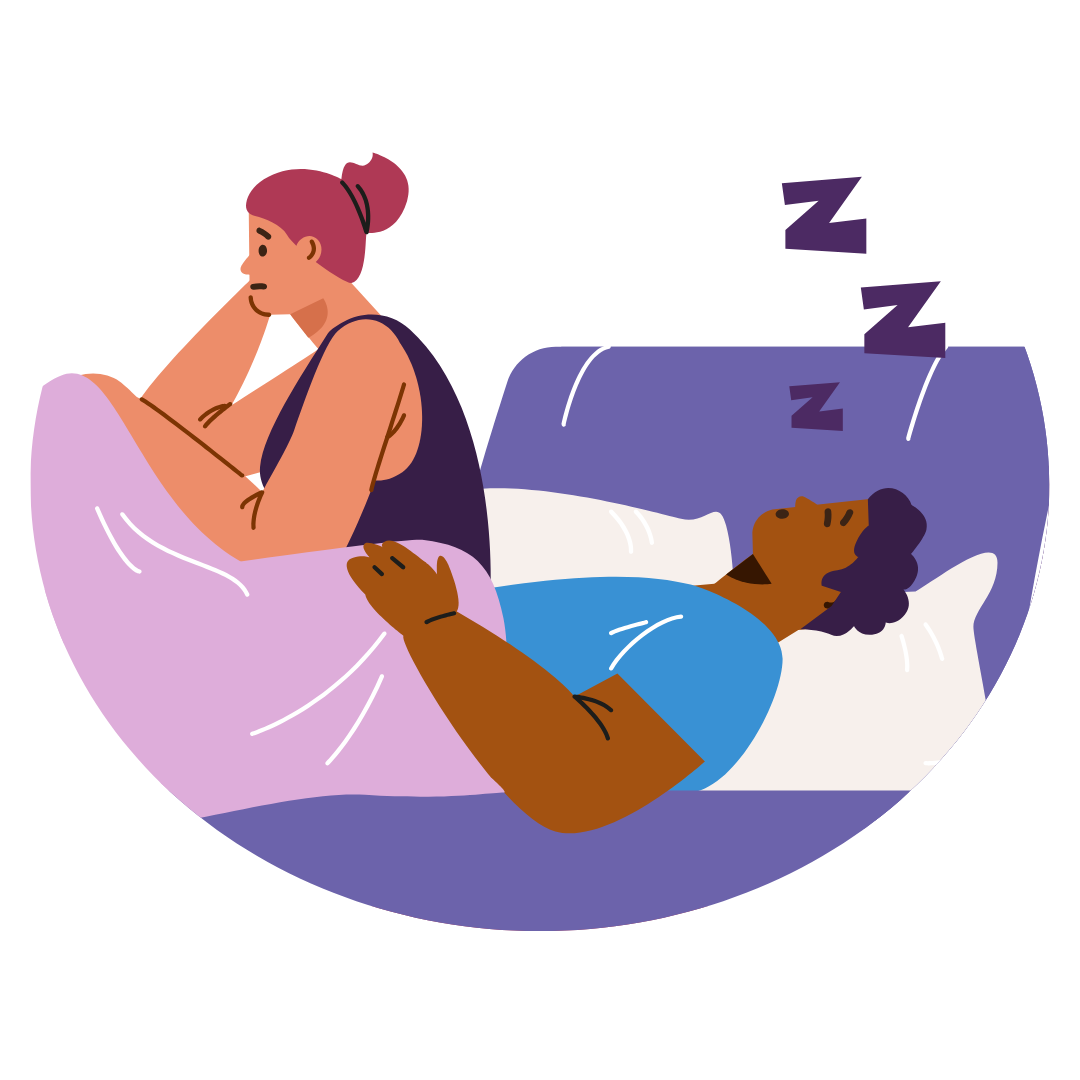
Sleep apnea disrupts sleep throughout the night, often without clear awareness of how much rest is being lost. Repeated awakenings and reduced oxygen levels can leave people feeling tired even after spending enough time in bed. If you’re not sure whether sleep apnea could be part of the picture, these are some signs to watch for:
- Loud, frequent snoring
- Gasping/choking or witnessed pauses in breathing during sleep
- Morning headaches or dry mouth
- Waking up unrefreshed despite a full night in bed
If these sound familiar, you may want to talk to a sleep specialist.
Common daytime effects of sleep apnea may include:
- Ongoing fatigue or low energy
- Changes in mood or motivation
- Difficulty focusing or staying engaged
These symptoms can subtly affect relationships, from having less energy for shared activities to feeling emotionally distant, even when not intending to.
How Managing Sleep Apnea Can Support Better Connection

For those using CPAP therapy, consistent use can help support more restorative sleep. As sleep quality improves, many people notice they feel more alert, emotionally balanced, and better equipped to handle daily stress.
Better sleep may support:
- Increased energy for time spent together
- Improved mood throughout the day
- Greater patience during challenging moments
Rather than viewing CPAP therapy as just part of a nightly routine, it can be helpful to see it as a tool that supports overall health, including being more present with the people you care about.
Small Sleep Habits That Support Healthier Relationships

Supporting better sleep does not require perfection. Simple, consistent habits often make the biggest difference, not only for how you feel physically but also for how you show up in your relationships. Maintaining regular bedtimes and wake times helps reinforce a healthy sleep rhythm, while calming evening routines signal the body that it is time to rest. Limiting caffeine, alcohol, and screen use in the evening can also support more comfortable sleep and help you wake up feeling more patient, focused, and emotionally present.
For people using CPAP therapy, preparing equipment in advance and addressing comfort concerns early can help reduce disruptions and support consistency. Over time, smoother, more restorative sleep can lead to better daytime energy, improved mood, and greater capacity for meaningful connection with the people you care about.
Rest Is a Foundation for Connection

Strong relationships are built on patience, understanding, and presence, qualities that are much easier to access when you’re well rested. This February, focusing on sleep health can be a meaningful way to support not only yourself, but also the connections that matter most in your life.
If sleep apnea symptoms or CPAP comfort challenges are making it difficult to get consistent rest, our Sleep Coach team is available to offer guidance and support. By prioritizing better sleep, you may find it easier to show up more fully for the people you care about, this month and throughout the year.
Check in with the QDME Journal for more educational sleep health content and helpful tips.

Follow Us!