Cozy habits can make winter your most restful season yet
Winter naturally invites us to slow down, settle in, and embrace comfort. Shorter days, cooler weather, and a cozier home environment make this season the perfect opportunity to build calming routines that support deeper, higher-quality sleep, especially for people managing sleep apnea or using CPAP therapy.
Whether you’re juggling holiday events or simply craving more rest, a few intentional wellness rituals can make winter your most restorative season yet.
Embrace a Gentle Wind-Down Routine
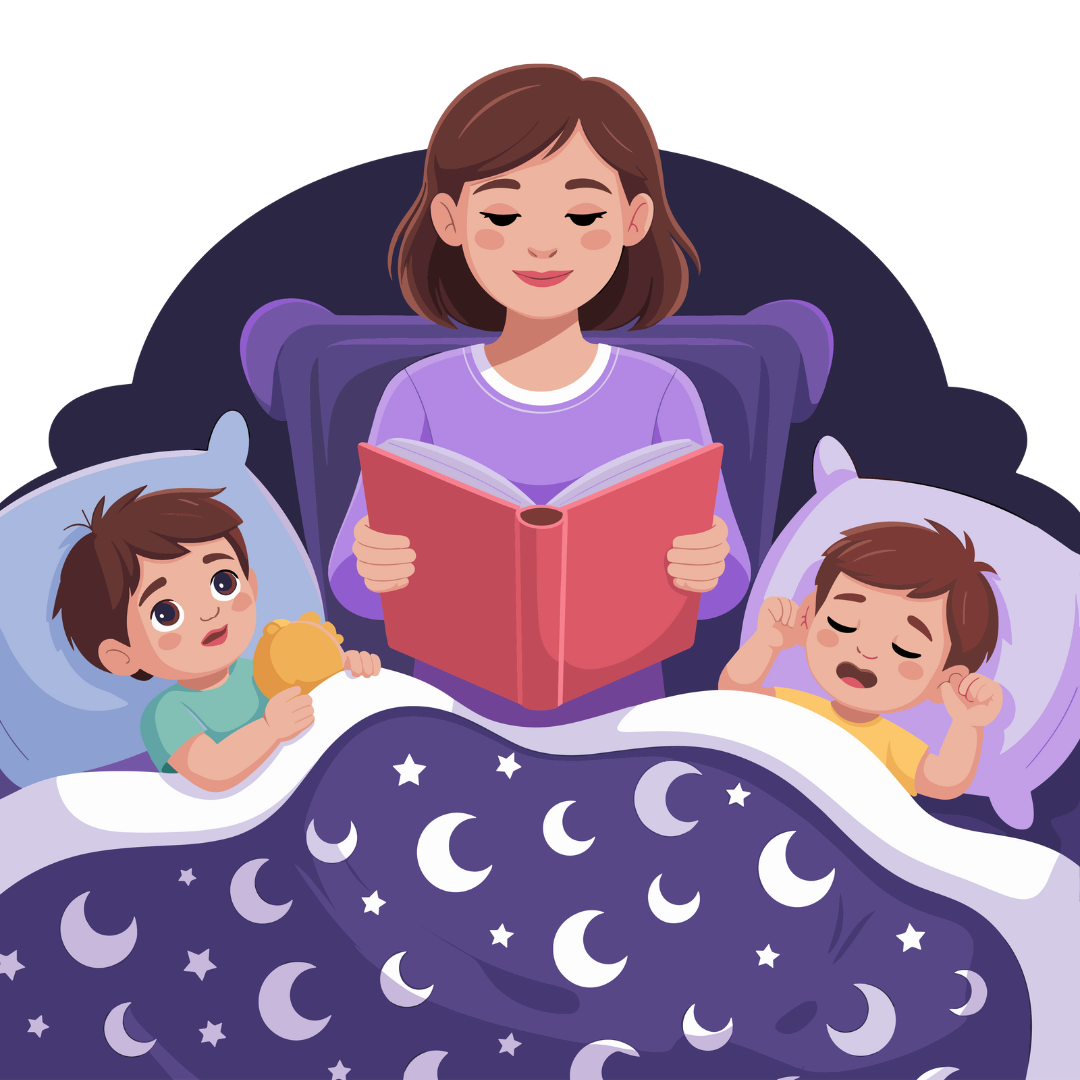
As daylight fades earlier in winter, it’s easier for your internal clock to drift. Establishing a consistent, calming wind-down routine signals your brain that it’s time to transition into rest.
Try incorporating:
- A warm bath or shower
- Soft lighting or candles
- Quiet music or white noise
- Light stretching or gentle yoga
- A cup of caffeine-free herbal tea
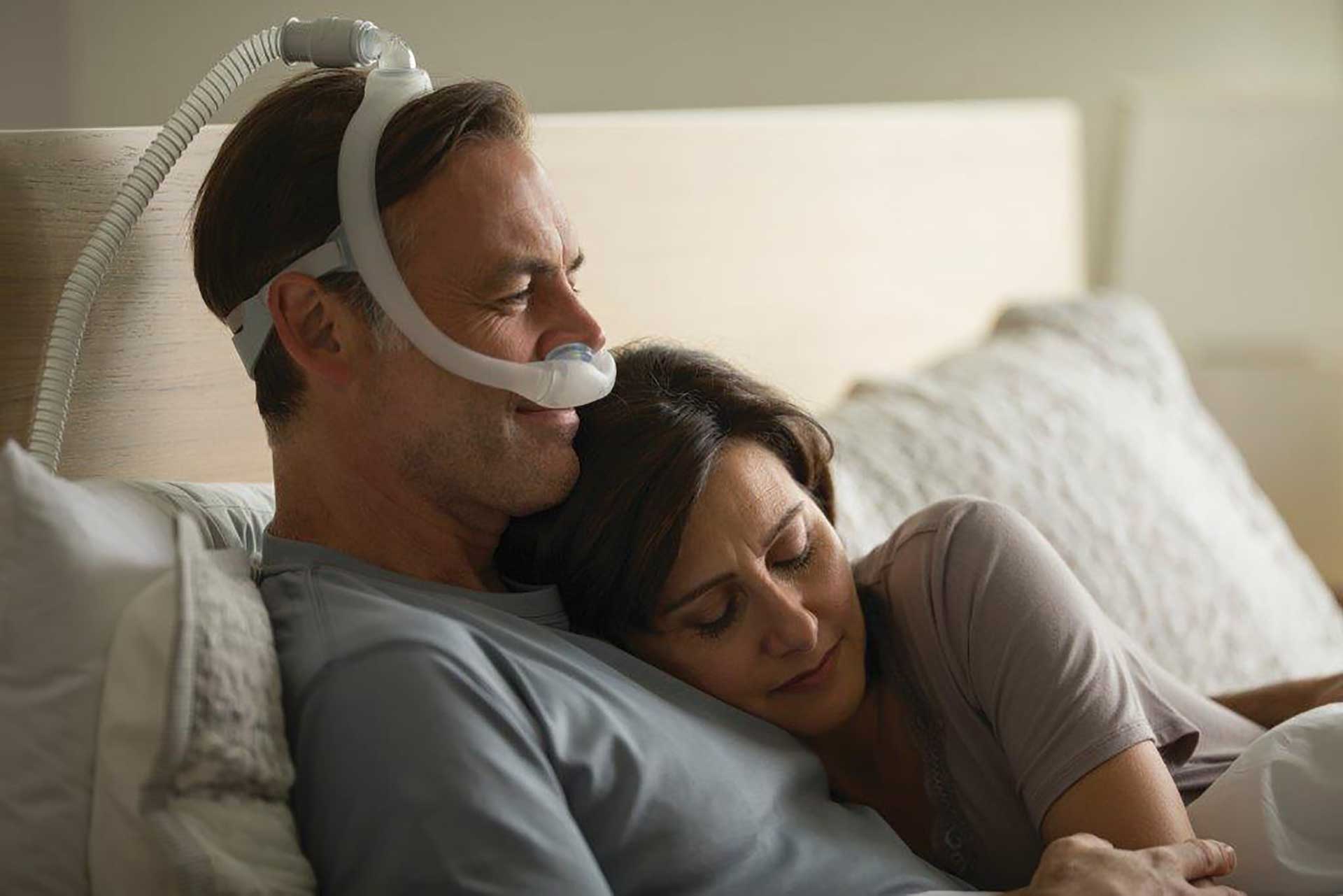
For CPAP users, refill your humidifier chamber, wipe your mask with CPAP-safe wipes, and prepare your equipment well before bedtime. Making CPAP therapy part of your nightly ritual helps it feel smooth and natural.
Warm Up with Sleep-Supporting Comforts
Winter comfort can actually support better sleep if you choose the right kinds.
Consider adding:
- A weighted blanket to promote relaxation
- Warm socks to help regulate body temperature
- A heated blanket or pad (used safely) to keep muscles loose
- Flannel or breathable cotton bedding for balanced warmth
Creating a warm, but not overheated, sleep space helps the body settle into deeper sleep stages more quickly.
Keep Your Bedroom Cool, Dark, and Peaceful
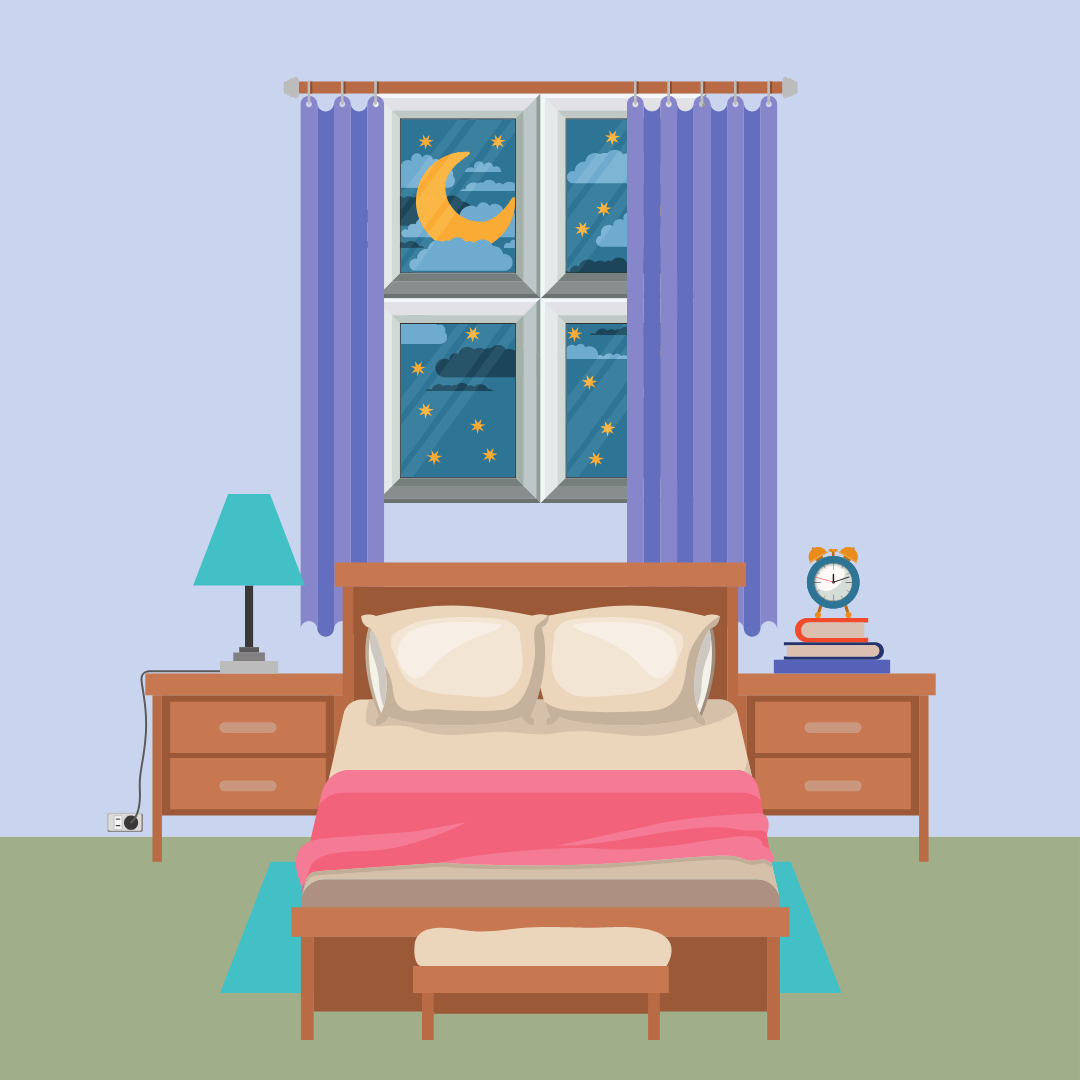
Even though winter feels cold, many homes stay warm thanks to heaters, fireplaces, and holiday gatherings. Your sleep environment still matters.
Aim for:
- A bedroom temperature between 60-67°F
- Blackout curtains to keep mornings dim
- Minimal noise using white noise or soft fans
- Clutter-free, calm spaces that feel restful
For CPAP users, keeping equipment at room temperature helps the humidifier work properly and reduces condensation in the tubing (rainout). A cool, quiet room supports healthy melatonin production and reduces nighttime disruptions.
Use Seasonal Foods to Boost Sleep Quality
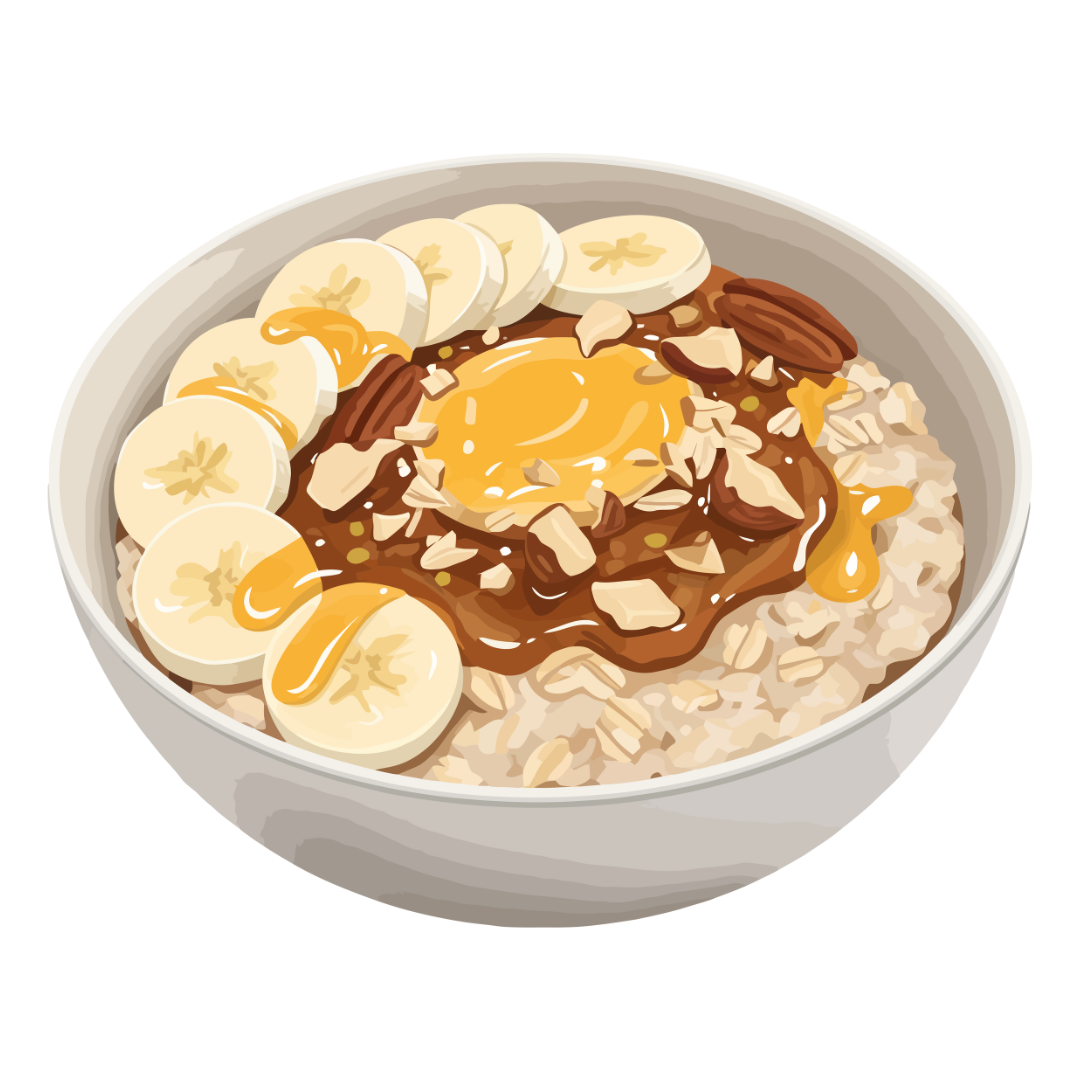
Winter brings a variety of foods that naturally support rest.
Try incorporating:
- Warm oatmeal for steady melatonin-boosting tryptophan
- Tart cherries or cherry juice for natural melatonin
- Bananas and nuts for magnesium and potassium
- Herbal teas like chamomile, lavender, or peppermint
These small nutritional choices can help your body relax and recover throughout long winter nights.
Protect Your Sleep Schedule (Even During the Holidays)
Between family gatherings, late-night holiday movies, and travel, winter routines can quickly fall apart. Consistency is key for sleep health, especially if you use CPAP therapy or struggle with fatigue.
Try to:
- Maintain consistent bedtimes and wake times
- Keep naps short (20-30 minutes max)
- Avoid heavy meals, caffeine, and alcohol close to bedtime
- Use exposure to daylight or bright lights early in the morning
- Reset gently after late-night events
A stable sleep schedule keeps your circadian rhythm strong and helps your energy stay steady through the season.
Create Cozy, Screen-Free Moments
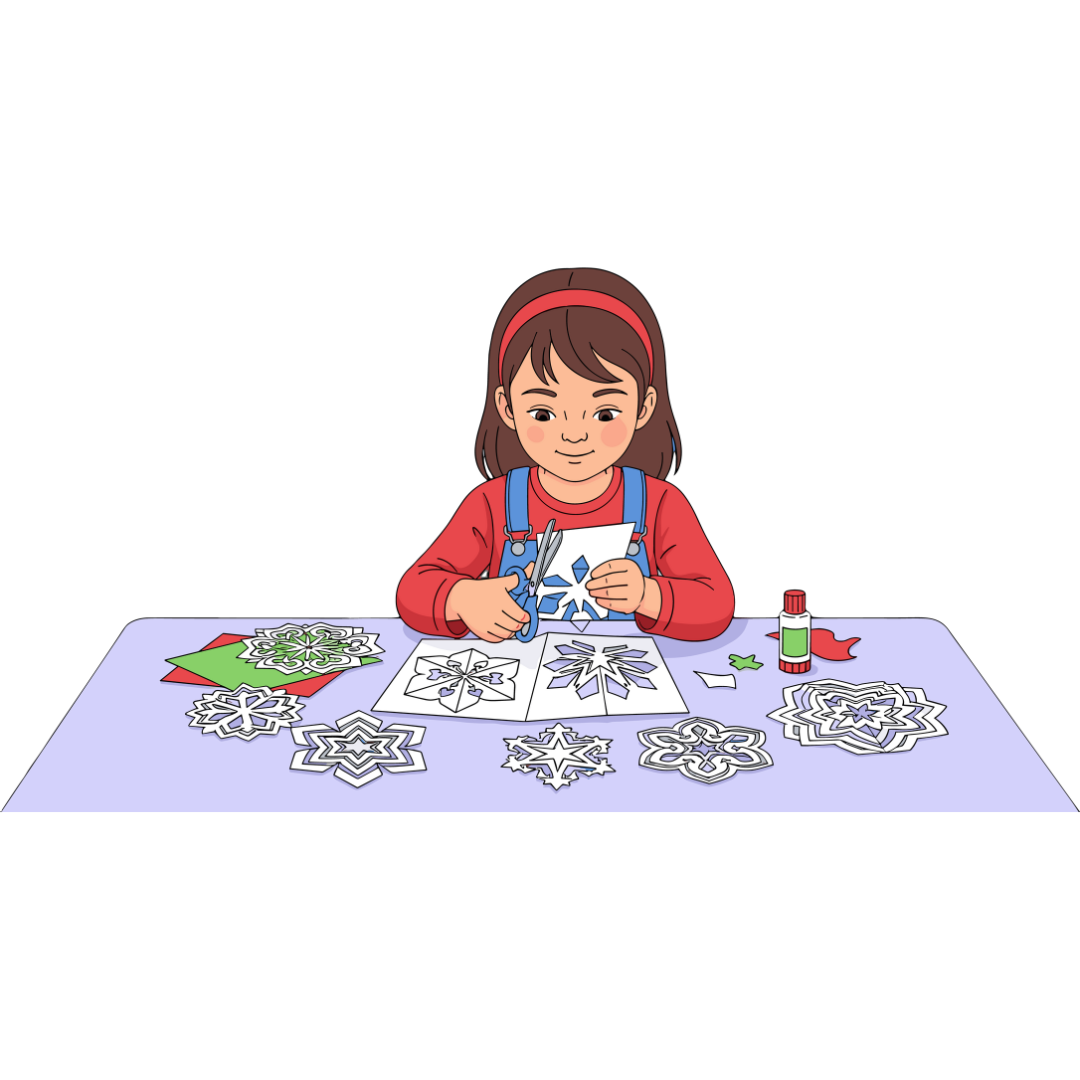
Winter is the perfect time to unplug and recharge. Screen-free moments help reduce blue light exposure, which interferes with melatonin production and delays sleep.
Great alternatives include:
- Reading a book
- Writing in a journal
- Coloring or doing puzzles
- Crafting or holiday DIY projects
- Meditation apps with audio only
These tech-free activities promote calm, creativity, and slower breathing, ideal for preparing your mind for rest. This is also a great time to ensure your CPAP mask fits comfortably before heading to bed.
Support Your Respiratory Health in Cold Weather
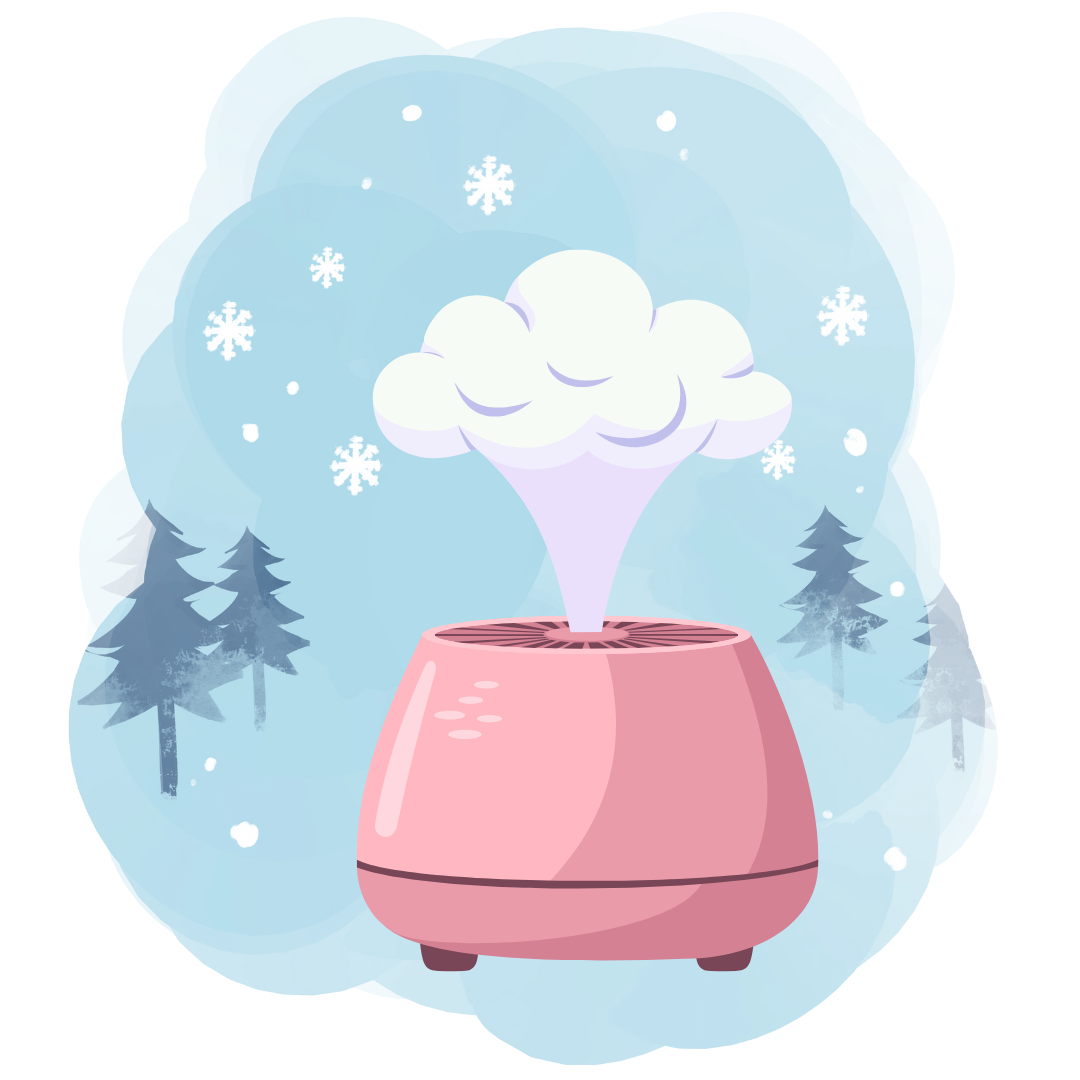
Cold, dry air can irritate airways and make winter breathing more difficult, which affects sleep quality, especially for those with sleep apnea, allergies, or sinus pressure.
Helpful winter habits include:
- Using CPAP humidification to prevent dryness
- Running a bedroom humidifier
- Staying hydrated throughout the day
- Using a saline spray before bed
- Keeping filters, masks, and tubing clean
- Continuing CPAP therapy every night
A moisturized airway supports deeper, more comfortable sleep and reduces nighttime awakenings.
Make Winter a Season of Rest and Renewal
Winter is more than just a chilly season; it’s an invitation to slow down, recharge, and prioritize your health. By building simple, cozy rituals into your routine, along with consistent CPAP therapy, you can make the most of winter’s natural calm and support your best sleep of the year.
To help you finish the season feeling rested and refreshed, here’s a checklist to keep CPAP therapy cozy and effective during the colder months:
Winter CPAP Comfort Checklist
- Use a humidifier to prevent dryness
- Clean equipment more frequently during cold/flu season
- Consider mask liners to protect dry winter skin
- Keep tubing warm or use heated tubing to reduce rainout
- Bring a TravelPAP if you’re visiting family or traveling
- Replace filters regularly, as winter air carries more dust and allergens
Whether you’re preparing for busy holidays or simply embracing quiet nights at home, nurturing your sleep is one of the most meaningful gifts you can give yourself.
Check in with the QDME Journal for new blogs and fascinating topics.

Follow Us!